Community Programing - In the Kitchen with OHIP
The Scope
Health education has always been a top priority for me, springing from my background in public health and community wellness. As a community engagement coordinator working within the OST South Union Health Improvement Partnership (OHIP), I created an ongoing health education series titled In the Kitchen with OHIP. The mission of these events was provide nutritional education to underserved populations and increase accessibility to healthy nutritious meals and produce.
The Prep
The first location I partnered with was Missionary Village, an apartment complex where I had an existing relationship with the community manager. For our initial planning meeting, I developed a structured list of questions to better understand the needs of the community and determine the most effective way to build the program for residents.
Question List
Are there any health concerns or particular health topics you believe your residents could benefit from?
What days and times work best for residents — weekdays or weekends? Mornings, afternoons, or evenings?
What is the ideal time frame for an event?
Do you have a meeting room available for the event?
Do you have any upcoming resident events we could attend beforehand to introduce our organization?
How does the complex communicate with residents — through an online portal, email, or a community bulletin board? What is the best way to spread the word about this event?
Who is the best point of contact for event logistics going forward?
What incentives do you think would encourage residents to participate?
A budget was also developed at this stage, accounting for the average number of expected participants, the cost of produce and seasonings, and $50 gift cards.
The Marketing
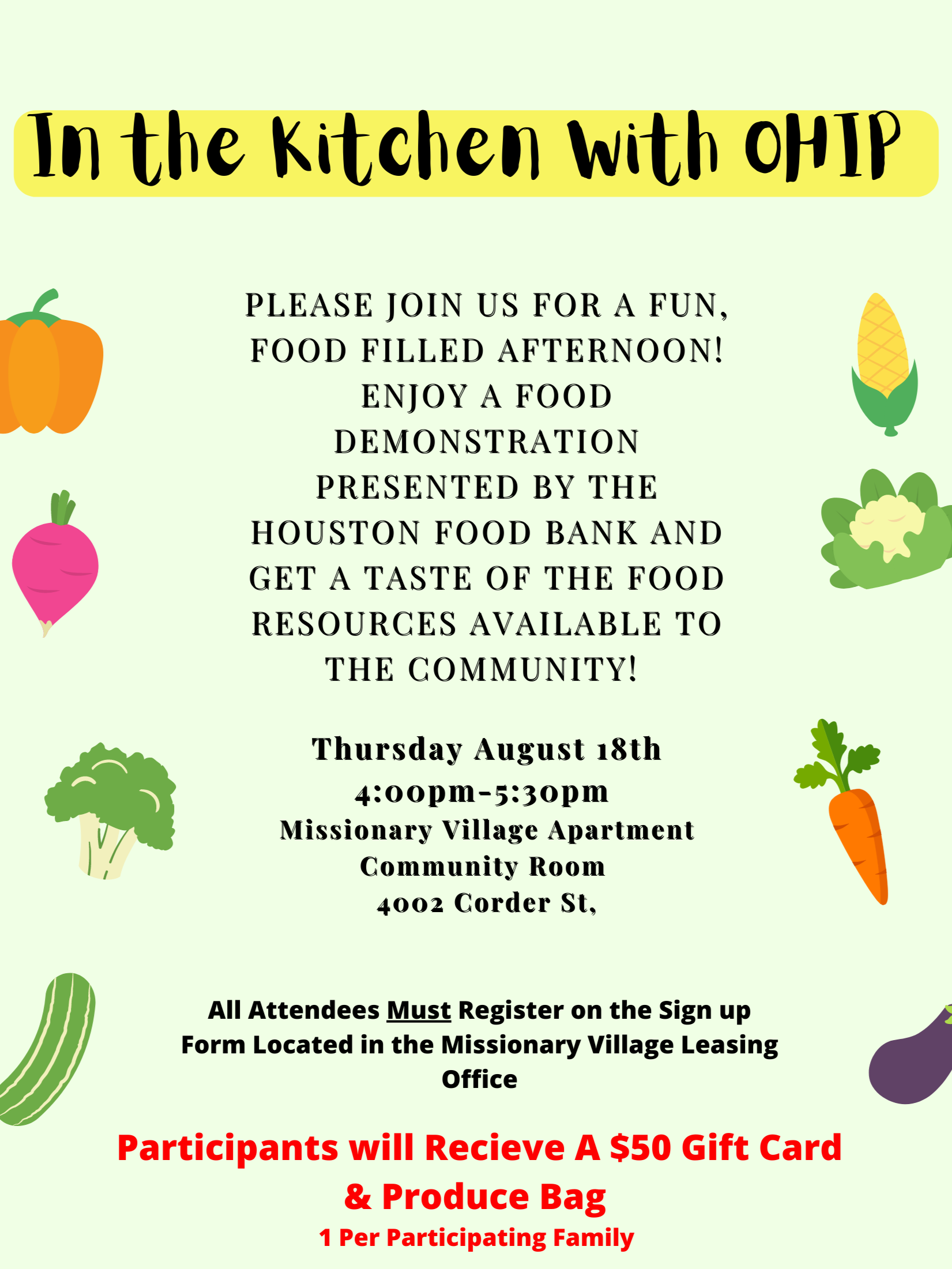
Emails were sent to residents who had shared their contact information on the registration form
Flyers were placed throughout the apartment office and on neighborhood bulletin boards
The Experience
Drawing from the insights gathered during my one-on-one meeting with Dr. Pepper, I designed an experience centered on nutrition and healthy food accessibility — the health concern most commonly raised by residents. The concept featured a live food demonstration led by a chef from the Houston Food Bank, with sautéed diced sweet potatoes as the featured dish.
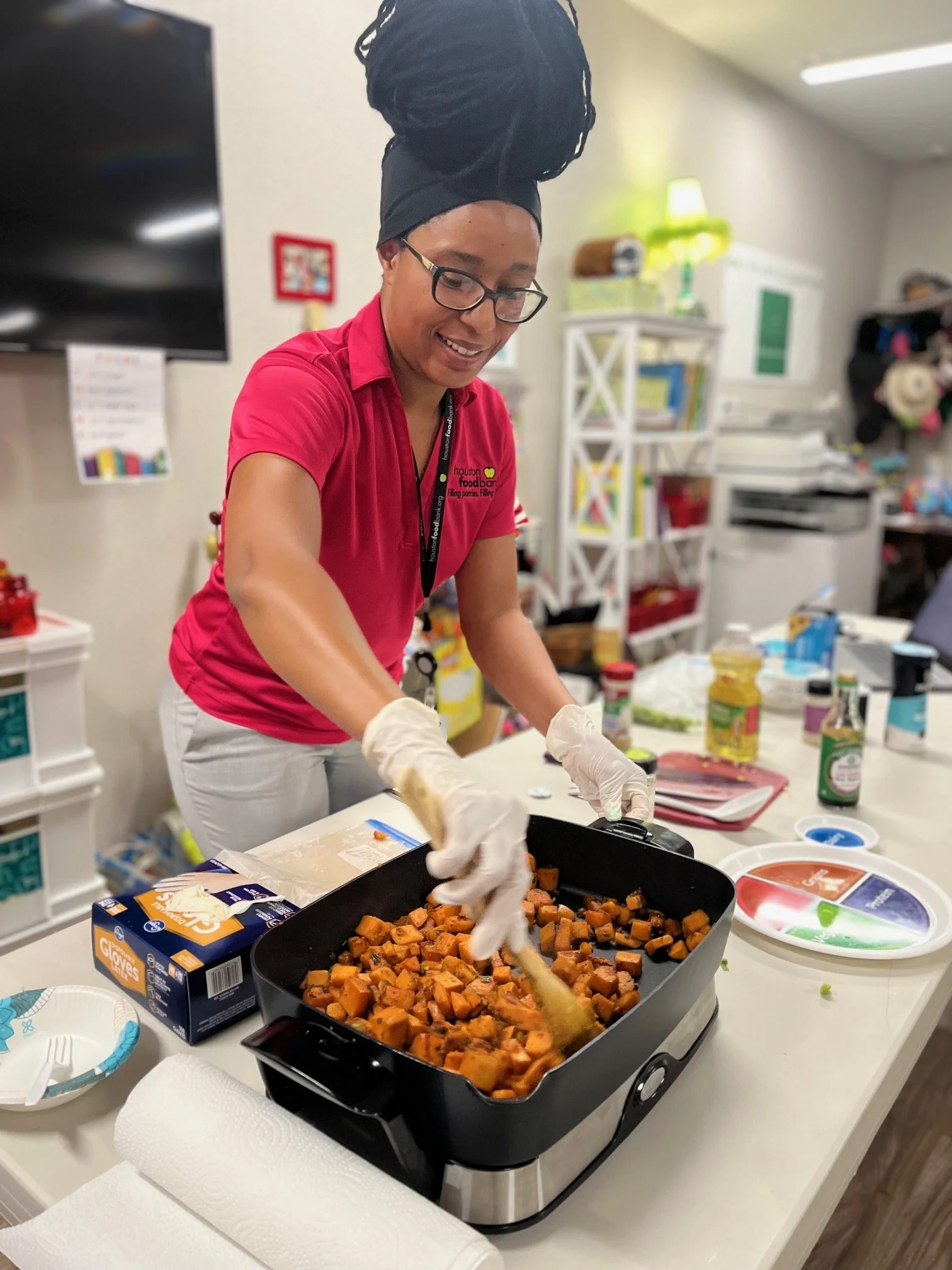
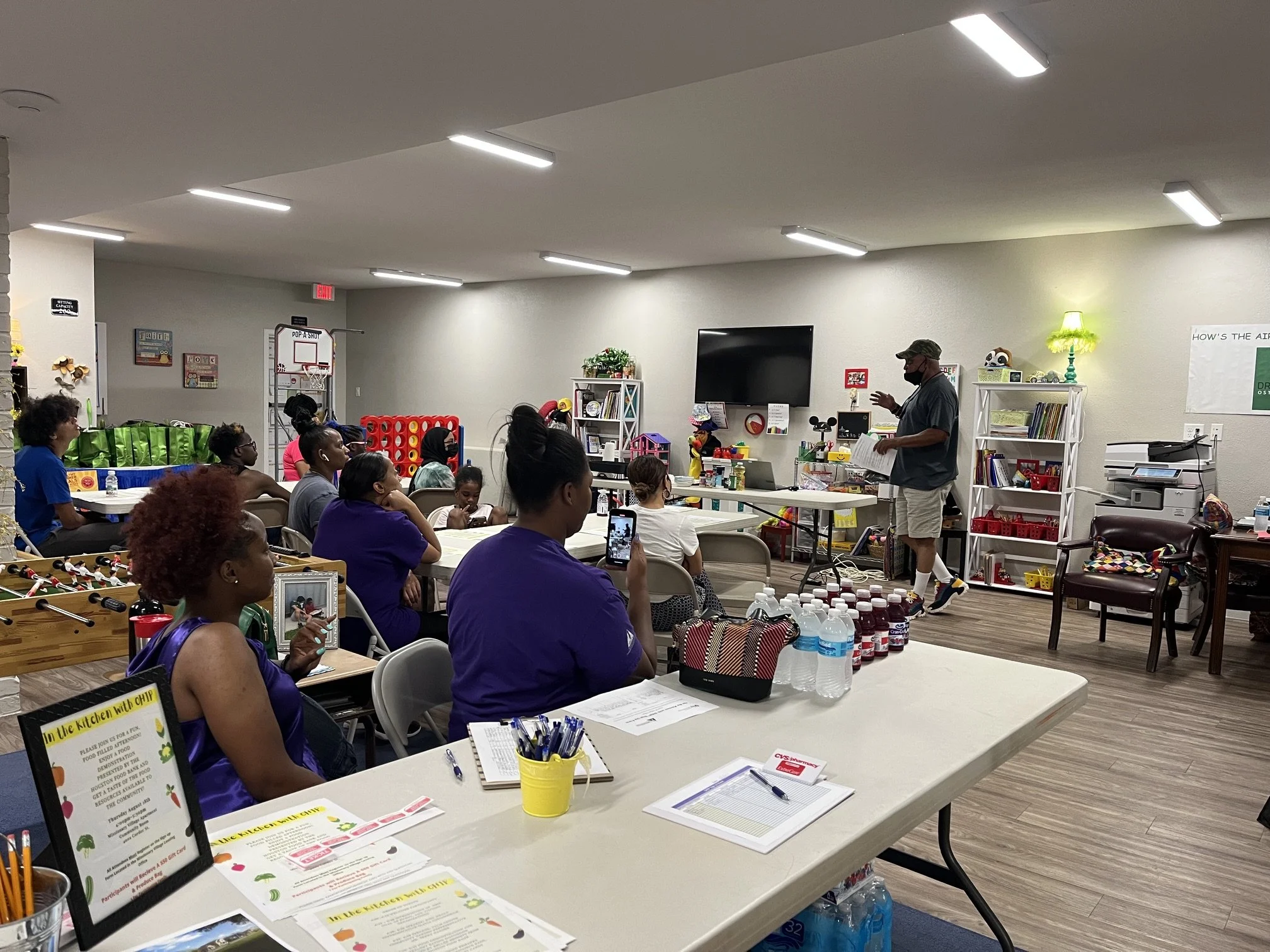
Guests enjoyed a full sensory experience, tasting the food and learning a new, healthier way to prepare a familiar vegetable. Each family who attended received a bag of produce and seasonings to recreate the meal at home — an intentional touch to keep the experience accessible long after the event ended. All participants also received a $50 gift card as both a thank-you for attending and an incentive to drive participation.
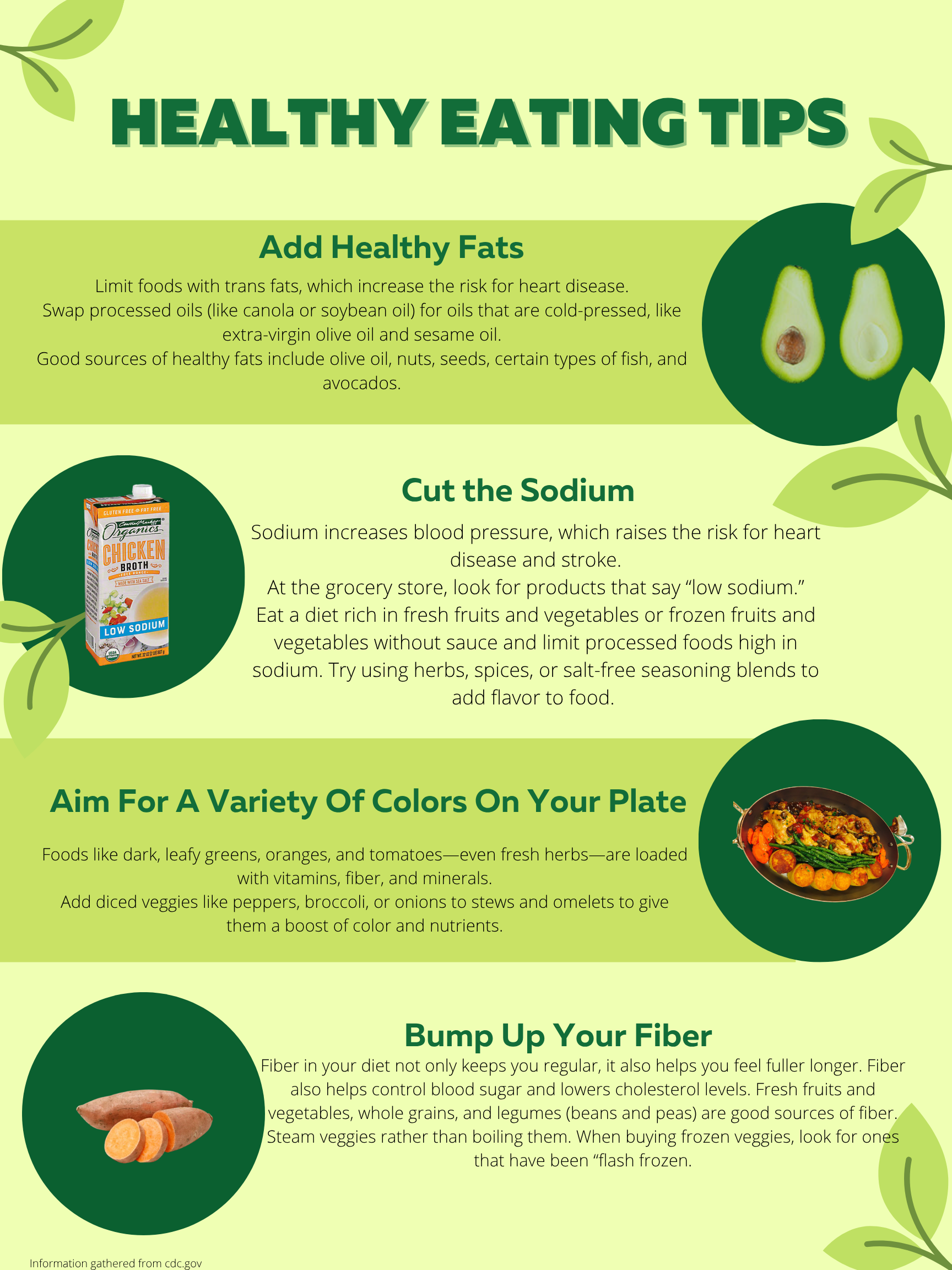
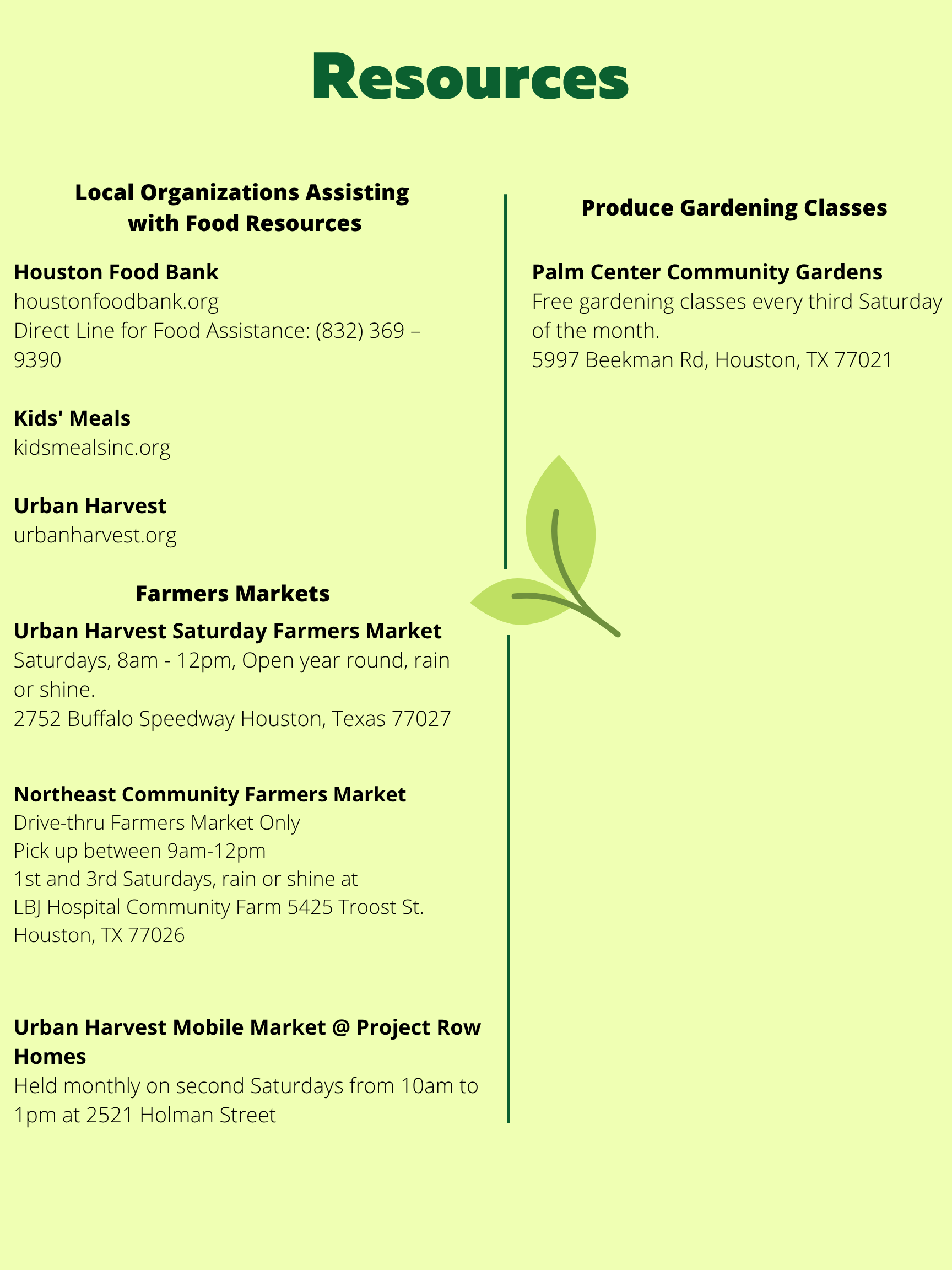
Attendees were also provided with a resource guide of local food banks and a recipe card so they could easily replicate the meal on their own.
The Community Collaboration
In addition to the chef from the Houston Food Bank, I partnered with several local organizations working in the space of nutrition and food access. Recognizing that the area is a food desert, I invited a representative from Kids Meals — a local organization that provides daily meals to underserved children in Houston — to speak with attendees about their mission and available services. They also distributed registration slips for families interested in enrolling in their meal program.

I also brought in Terry Garner, a well-known community figure in the OST/South Union neighborhood, who leads garden education initiatives and is deeply involved in the local community gardens. Terry shared practical tips on growing produce at home and spoke to the broader benefits of healthy eating, grounding the event in the neighborhood's own resources and culture.
The Takeaways
There were 15 residents who attended. Participants were surveyed upon entry and exit to measure impact. Results showed that attendees genuinely valued what they learned, with a 60% increase in knowledge reported across participants.
While the event was a success, there were a few areas identified for improvement in future programming:
Marketing & Communication
Start marketing earlier — Flyers, sign-up sheets, and promotional materials should be distributed further in advance to allow more time for awareness to build and drive higher resident turnout.
Send reminder communications — Following up with registered participants via email closer to the event date would help reduce no-shows. Having the apartment complex serve as an on-the-ground advocate — reminding residents who visit the office in person — would also reinforce attendance.